Entrepreneurship
Planning an Agency Community Event Around Useful Conversations
· Updated
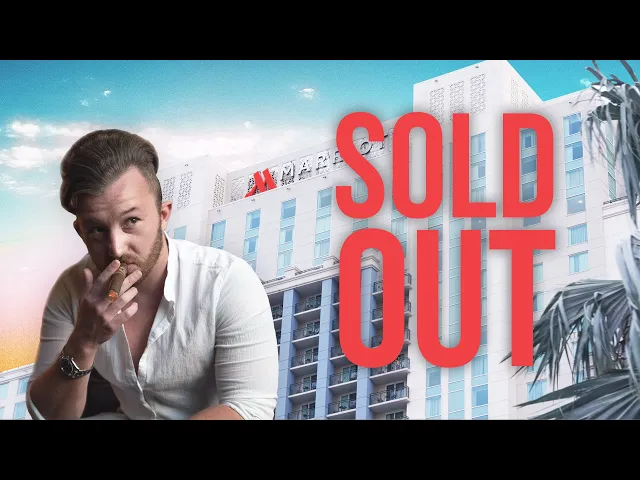
The historical planning vlog presents an event as a way to bring an online business community into the same room. It also connects the event with a broader idea: sharing useful knowledge before expecting anything back.
We recommend separating those intentions from outcomes. The useful planning question is what people will discuss and take away, rather than how impressive the room looks.
From an online community to a shared room
The recording describes bringing people from Money Twitter together in person and planning an opening keynote. Those are plans discussed in the vlog, rather than evidence of what attendees later achieved.
We suggest defining the reason for gathering before building the schedule. Decide which conversations need a shared room, what people can prepare beforehand and how the keynote should open those conversations. A community event needs a purpose beyond reproducing an online audience in a venue.
Useful content before a return
In the historical video, the discussion of a short-form-video business idea leads into goodwill: giving away useful knowledge now, with the possibility that someone remembers it later. The recording treats that as delayed gratification.
We recommend applying the useful part of that idea to an event. Ask whether a session gives someone a clearer decision, a process to examine or a question worth taking back to their business. The organic-content guide explores a separate connection between useful material, an email audience and relevant offers.
Let the operating conversations inform the agenda
Near the end of the historical recording, time with the team is described as a setting where business conversations continue outside a formal work session. The point is the continuing discussion among people working in the business.
We suggest turning those recurring questions into a more deliberate agenda. Choose a problem that people can explain concretely, give it enough discussion time and record the next decision. That recommendation is about designing a useful conversation, not claiming that proximity by itself improves business results.
Plan what happens after the event
We recommend deciding how participants will use the material afterward. A useful follow-up can point back to the question discussed, summarize the decision and identify the work still needed. Keep a practical next step connected to the session rather than adding an unrelated sales pitch.
We suggest using the acquisition guide when the follow-up question is commercial: which offer, channel and sales cycle fits the resources available? That is a more concrete discussion than treating attendance as an acquisition strategy by itself.
Prepared by Client Ascension with AI assistance. Documentation checked 2026-11-01.