Business & Entrepreneurship
Defining a YouTube Production Offer: Recording, Editing and Distribution
· Updated
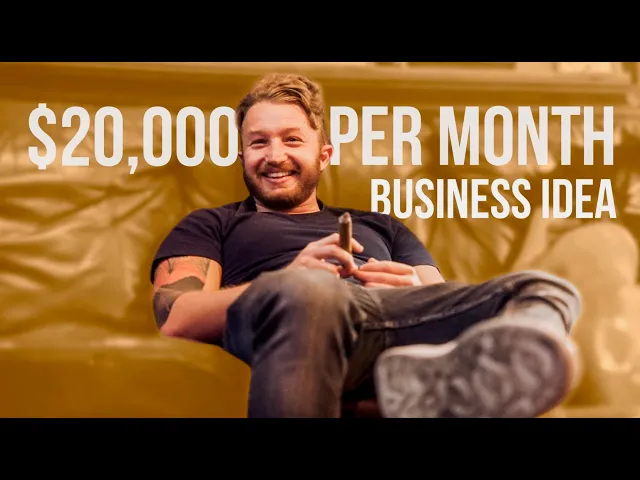
The historical source video describes a YouTube service that combines scripting, editing, publishing and short clips. Its two package examples differ in an important way: whether the client records the videos or the agency supplies a face for the brand.
We recommend reading the old prices as package examples, then assessing the responsibilities and work behind them. They do not establish what a new agency should charge or what a customer will earn.
Who appears in the recorded videos
In the historical recording, the $10K-a-month package still involves the client: the client provides the raw video, while the service handles scripting, editing, posting and shorts. The $20K-a-month example adds someone else to appear in the videos as the face of the brand.
We suggest separating the client’s recording responsibility from the production work when comparing those packages. A client who supplies footage is buying a different arrangement from a client who also needs an on-camera person. Start with that distinction rather than treating the higher price as the business model by itself.
Choose responsibilities before agreeing on a package
The recorded example links the main videos and the short clips as parts of the service. It describes editing and posting after recording, rather than a package made up only of advice about what to film.
We recommend mapping the handoff: who develops the script, who records, who transfers the footage and who publishes the finished work. Those questions make a proposed scope easier to discuss. The offer-formulation guide is useful context for explaining the process and the work the buyer receives.
What the vlog says about interview proof
The vlog also discusses an interview with Brooke. The point made in the recording is that an interview should contain useful material for the viewer, rather than simply placing a customer conversation online. It contrasts a screenshot of a quantifiable result with an interview that has value worked into the conversation.
We suggest reviewing what an unfamiliar viewer can learn from the finished interview. A result screenshot and a useful conversation do different jobs; neither should be stretched into a promise about the next customer. Choose evidence and explanations that the viewer can actually assess.
Connecting the recorded example to distribution
The historical video recommends business-podcast appearances while discussing how to grow the content service. That is an acquisition suggestion in the recording, not a measured account of how many podcast appearances produced paying clients.
We recommend connecting the production offer with a distribution plan that suits its buyer. The organic-content guide explains a different, broader connection between useful videos, an email audience and relevant offers. Use it to examine the next step after someone watches, rather than assume publishing a video completes the sales process.
Prepared by Client Ascension with AI assistance. Documentation checked 2026-11-01.