Agency Growth
An Agency Checklist: Offer, Funnel, Outreach, Sales and Delivery
· Updated
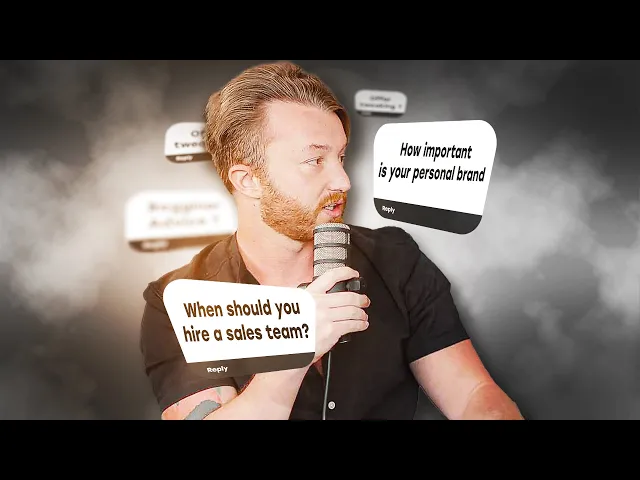
The historical discussion is organized as an agency checklist. The speakers present the offer, funnel, outreach, sales process, delivery, hiring and branding as connected parts of their framework. That is the position expressed in this recording, not a current operating standard or a guaranteed route to results.
We recommend using that structure to locate the next decision in your own business. Work through the whole path, identify a specific gap and assign the work that would address it. Treat the checklist as a diagnostic framework, not a promise of revenue after a fixed period.
Offer decisions in the recording
The speakers’ recorded offer discussion starts with what the agency does, whom it serves and the terms of the offer. They contrast an unfocused collection of services with a clear service for a clear buyer, then discuss the existing demand for that service and the alternatives a buyer has seen.
We suggest writing the buyer’s problem and the work you will do in plain language before writing a promise or risk term. Decide what evidence you can honestly show and which responsibilities belong to the buyer. A more dramatic promise does not repair a delivery process you cannot explain.
We recommend the offer-formulation guide for a deeper look at the connection between a real problem, a delivery mechanism and sustainable terms. Use it to improve the explanation of your offer rather than copy another company’s prices or risk terms.
The funnel discussed in the recording
In the historical recording, the funnel discussion connects the headline, a video sales letter, an assessment and a way to book a call. The proposed video explains the problem, previous attempts to solve it, the different approach and the terms of working together.
We recommend checking the complete path as a prospect would encounter it. Does the headline match the service described? Does the explanation answer the question that brought the visitor there? Does the booking step tell your team what they need before the call? A polished page and a functioning handoff are separate pieces of work.
Outreach as a connected process
The recorded discussion divides cold email into lead generation, writing and response handling. It argues that the message and follow-up approach depend on the offer and audience, then returns to the relationship between the offer, landing page, lead selection and inbox handling.
We suggest recording why someone belongs on the list, what the message is asking and who handles each reply. A response that asks for more information creates a different task from a request for a meeting. Define those tasks before treating sending activity as the whole acquisition process.
We recommend the acquisition guide when deciding how that outreach fits your offer, resources and sales cycle. The checklist does not establish a universal sending volume, reply rate or time needed to win a client.
An individual sales-call example
In the historical recording, a speaker describes one prospective-client conversation: the buyer asks for YouTube ads, but the speaker examines the rest of that funnel, including the video sales letter and call attendance. This is a single, unverified sales-call anecdote used to argue for inspecting the business problem before prescribing the requested service, not a demonstrated client result.
We recommend separating observed numbers from assumptions in that conversation. Record what the prospect actually supplied, which part of the process appears constrained and what would need to change. If the work needed falls outside your scope, decide whether a clearly defined partner handoff is appropriate rather than quietly selling something you do not deliver.
Client experience in the discussion
The recorded client-relationship discussion distinguishes client results from client experience. It describes proactive communication, transparency, updates and consideration of the client’s schedule alongside the work being delivered.
We suggest making that concrete: identify the next deliverable, its owner, its expected handoff and the question the client needs answered. If work is late, explain what is happening and what changes next. A friendly relationship is not a substitute for a clear account of the work.
We recommend the fulfillment guide for related teaching on staged production, quality control and reporting. Use it when the bottleneck is getting the work done consistently, rather than assuming another acquisition campaign will solve an operating problem.
Hiring and the training handoff
In the historical discussion, hiring creates questions about what the new person will do, how to interview them, how to train them and how to track tasks across clients. It explicitly notes that training can add work before the handoff reduces the original workload.
We recommend defining the task and showing what acceptable work looks like before hiring for it. Decide who will train the person, how questions will be handled and how the first handoff will be checked. That is a more useful starting point than hiring someone to absorb an undefined collection of problems.
Branding through useful explanations
Near the end, the recorded branding discussion emphasizes useful content that shows how the service is performed. Tutorials and explanations are presented as ways for a prospective buyer to examine the provider’s process.
We suggest choosing a question that your buyer needs to understand and explaining your method with a relevant example. Let the material show what you can explain; simply publishing a video does not verify expertise or establish a business outcome.
We recommend the organic-content guide for the next question: how useful material connects to an email audience and relevant offers. That connection is different from assuming a viewer is ready to buy immediately.
Prepared by Client Ascension with AI assistance. Documentation checked 2026-11-01.