How I Turned My Accounting Experience Into a Fractional CFO Offer
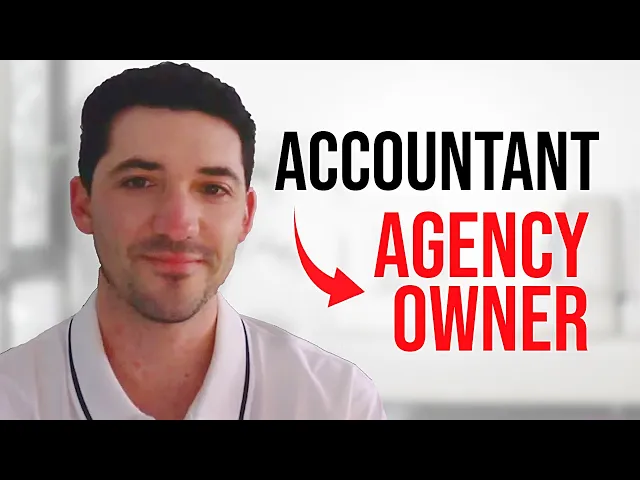
I’m Alex, a CPA with experience in public accounting, e-commerce and consulting. I worked with Client Ascension’s coaches to build out a fractional CFO offer for my company.
The important change was moving from helping a business build its own internal bookkeeping team toward doing the work for it. My fractional CFO offer brought together bookkeeping, financial processes, cash-flow forecasting and guidance around the decisions an owner was making.
My operating experience shaped the service I wanted to build
I began in public accounting, qualified as a CPA and audited businesses around Los Angeles. That exposed me to how companies operated and managed their financial responsibilities. Later I left that path and ran an e-commerce business.
After the e-commerce company was acquired, I worked in consulting, including helping a bookkeeping service improve fulfillment and processes. I also did sales work. Those experiences gave me different parts of the service I later wanted to bring together, rather than only a technical accounting skill.
The first offer was to set up the client’s own team
I had been using teams to help manage demanding work across clients and a remote job. My initial idea was to sell the process of setting up an internal bookkeeping team for another business and guide it through that setup.
In my early conversation with Daniel, he asked why I would not simply do that work for the client. That changed the structure of the offer toward providing the service, rather than only helping the customer assemble its own team. We discussed it as a way to support a longer client relationship and more streamlined fulfillment.
I described finance as part of growth decisions
The service I described included bookkeeping, taxes, cash-flow forecasting and automating financial processes. I wanted to help owners gain clarity, free up time and understand the capital available as the business grew.
My experience of a business being acquired also informed the work around preparing for an exit. I had been through that process myself and knew there was substantial financial preparation involved. Those were the areas I intended to support; I did not give a measured profit improvement or tax-saving result for a CFO client in this interview.
Client Ascension related reading: the client-economics guide works through customer value, delivery margin, acquisition cost and cash timing. It develops some of the financial questions that sit behind an agency growth decision.
Foundations matter without building an oversized finance function immediately
I wanted owners to think about the foundations before financial problems became expensive. That included how they organized their banking, records and business structure, rather than leaving bookkeeping until the end of a period and rushing to catch up.
At the same time, I said someone very early in business did not need a full bookkeeping-service team immediately. They still needed to focus on revenue-generating activity. The level of support and the more advanced financial work depended on where the business actually was.
Client Ascension financial note: the interview discusses Alex’s historical service approach. Entity choice, tax treatment and financing decisions require advice for the owner’s actual circumstances and jurisdiction.
The useful questions were about cash and individual client economics
I described questions such as whether the business could afford a new investment, what its profit margin was for each client, which costs varied with the work and where spending was being wasted. Cash forecasting was another part of that conversation.
I wanted the service to be seen as an opportunity to improve the business, rather than only someone recording spending or telling an owner to spend less. That was how I positioned the offer; it was not evidence that every customer would achieve a particular financial return.
Client Ascension related reading: Cameron’s e-commerce services case study is a separate example of packaging skills and pricing work, with contract values kept distinct from payment timing.
I tried to ask for help before staying stuck in a problem
I had to remind myself that there were people I could ask instead of dwelling on a problem alone. Coaching, the Student Success coach and other members gave me places to take questions about the offer, sales, response handling and operations.
My advice was not to compare every result with someone else’s business. Different operators had different bottlenecks. Showing up, asking questions and being willing to learn were the habits I emphasized.
The market had to help shape the offer
I advised choosing work connected to genuine interest and experience, then listening to the market. Selling only what I assumed people should want was different from finding out their pain points and building around those.
I had tried and failed at different businesses. That history was part of why I emphasized the longer game and doing the work properly, instead of selecting a service only because someone else appeared to be making money with it.
Adapted by Client Ascension with AI assistance from Alex's interview. The first-person narrative follows the source speaker’s account. Watch the original video