How I Made a Recruiting Offer Clearer and Built a More Consistent Sales Pipeline
I run Remote Talent LATAM, a remote recruiting agency specializing in marketing talent from Latin America. Our customers are mostly marketing agency owners who want people with relevant experience, rather than someone who can only follow instructions.
We had been in business for seven years, but growth was uneven. Referrals and occasional SEO leads could bring work in, then things would slow down. I wanted a clearer way to generate opportunities and build the business instead of waiting for the next introduction.
The offer needed to explain the buyer’s benefit
Our old message was essentially ‘hire employees from Latin America.’ That said where people came from, but it did not explain why a marketing agency owner should care.
I narrowed the message around agencies that wanted to grow while keeping quality and managing the cost of talent. We looked for people with experience in marketing agencies and the US market. Conversations became easier because we were speaking to similar customers with similar problems.
I had to make the email shorter, not tell our entire story
I came from a marketing background and wanted to put everything into the email: what we did, how long we had been around and why the business was good. In one coaching session, the email I had written was stripped back.
That forced me to focus on what the customer needed rather than everything I wanted to say about the company. The clearer offer and simpler message became the foundation for the outreach, not an extra paragraph added to the old pitch.
Cold email became a repeatable source of conversations
I had tried to understand cold email before, but the setup felt abstract. This time I followed the steps for the infrastructure, prospect lists and sequences, then launched the campaign. I described getting clients from our first 1,000 emails.
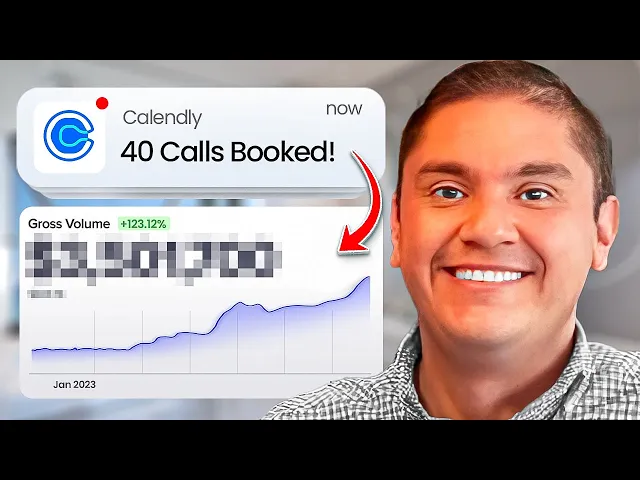
By the interview, the campaigns were generating around 40 calls per month. Adding prospects and refining a campaign were repeatable tasks. That was not the same as the whole business running without work: calls still needed a sales process, and new customers still needed delivery.
Client Ascension related reading: James’s agency account explains focused cold-email acquisition and organizing the work after new clients arrive.
More leads exposed sales and management work
Once lead flow was less of an issue, I worked on sales and then operations. I joined calls about team management, made decisions about people who were not aligned and learned how to think about the next hire.
Although we had also made changes to the team, I said revenue had roughly tripled over my seven or eight months in the program with the same number of people at that point. The useful operational change was learning how to manage the day-to-day and work more effectively with the team we already had.
Client Ascension related reading: David’s agency account describes delegation and improving client onboarding.
I protected an hour for implementation
I kept an hour in the morning free from calls and meetings for this work. If I was rewriting the VSL that week, that was what I worked on during the hour. It was not only time reserved for watching videos.
I worked on the task while following the material, then brought specific questions to coaching calls. Personal-brand work and paid media were next steps I wanted to explore; they were not channels I could already count as having scaled successfully.
Adapted by Client Ascension with AI assistance from Angel's interview. The first-person narrative follows the source speaker’s account. Watch the original video