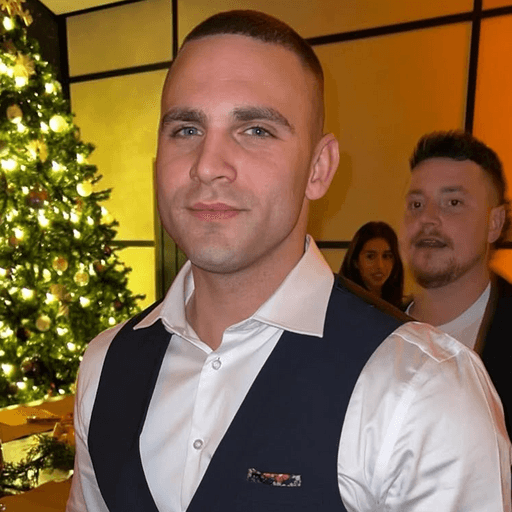
How I Moved From Amazon Know-how Toward a More Organized Agency
I help e-commerce brands sell on Amazon. Some clients are established direct-to-consumer brands that are not on the platform yet; others already sell there and need help managing and growing the channel.
I knew Amazon before I knew how to run an agency. I had launched a small brand and worked for an aggregator that bought Amazon businesses. After leaving that job, I built an agency that paid my bills, but I was still piecing together the sales, marketing and operations myself.
I separated launching a channel from growing an existing one
For a brand that is not on Amazon, one starting point is whether people already search for its name there. My offer was to help the brand launch and manage the channel rather than leave that demand unanswered.
For a business already on Amazon, the conversation was different: it might want to scale but lack the capacity to manage the work. My team and I could help there too. Those were two versions of the service, not a claim that every brand had the same situation.
Being able to do the work was not the same as a business foundation
I started the agency after leaving my job in June and joined Client Ascension in December. In the meantime, I had taught myself cold email and Google ads and bought a landing page. There was traction, but I wanted to organize what I was doing.
I was the sole business owner and was handling the sales and marketing as well as figuring out delivery. I wanted a better understanding of how the functions fit together so I could make decisions about what to improve and what to stop doing alone.
Client Ascension related reading: David’s Amazon-agency account describes outreach metrics, audit-led sales and delegation.
I explored the functions before choosing the work to hire for
During the first several weeks, I went to the calls and worked through material on operations, advertising, cold email, automation and hiring. That helped me see which areas I enjoyed and which ones I wanted expert help with.
I knew enough about Trello and Zapier to recognize the ideas, but I was working with Jordan from the community to build operations properly. I was also considering hiring for cold email. Knowing how to do something did not automatically make it the best use of my own time.
Sales and marketing were where I naturally wanted to spend time
I enjoyed getting a call booked and then using discovery to understand whether working together made sense. That helped me recognize that I leaned toward lead generation, marketing and sales.
I wanted fulfillment built out so it could support the work being sold. At the interview, bringing in more expertise was an active decision and an ongoing project. It was not a claim that every function had already been handed off or that the company no longer needed me.
Client Ascension related reading: John’s email-agency account explains organizing follow-up, publishing sales assets and delegating Upwork outreach.
I used learning to decide what to implement
I described the early period as tasting everything, then recognizing that I had a lot to implement. After learning what was available, I could choose the changes that mattered to my own business instead of attending everything indefinitely.
Reading was also a longstanding habit for me. I had become less interested in a count of books and more interested in extracting something useful. The same idea applied to the business: exposure to information was the start, and implementing the changes was still my responsibility.
Adapted by Client Ascension with AI assistance from Anthony's interview. The first-person narrative follows the source speaker’s account. Watch the original video