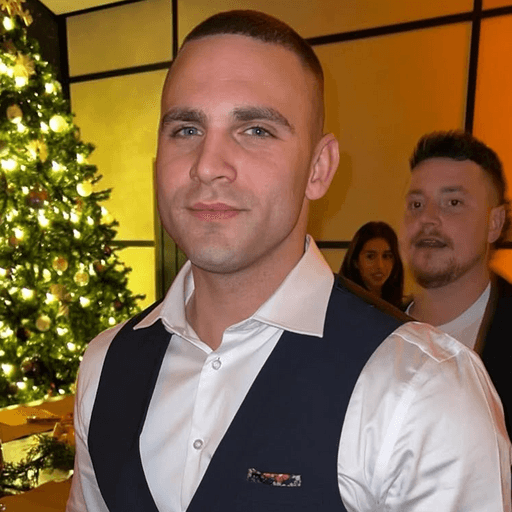
How I Moved From Content Writing to Running an SEO Agency
My route into an SEO agency started with writing: first on Medium, then as an SEO content writer, and eventually through a team of writers. I could recognize the work I was asking writers to do because I had done it myself.
Start with the work before trying to run the team
I began by writing on Medium. That led me to SEO content writing: if I could write on the internet, I could do that work for businesses. Content writing was the starting skill, and the agency grew out of doing that work myself.
My experience was with an SEO agency, rather than the cold-calling agency the interviewer described. Seeing how that SEO business operated made starting an agency feel possible to me.
Later, when I gave writers instructions or SOPs, I recognized the work because I had been doing it myself. I had moved from being the person writing the content to having content writers working with me.
Make the decision to build beyond personal output
I had wanted to start an agency while I was still a content writer, but I hesitated. At that stage I did not think I had enough experience to be particularly good at the work. Eventually I also recognized that I was getting comfortable where I was.
The practical change was to start more outreach, find writers and focus on building the business. That decision involved both sides of the agency: bringing work in and having other people help deliver it. It was a change in what I spent my time doing, not simply a new description for the same writing job.
Use a clear learning path for cold email
What I liked about the onboarding was having activation points laid out as checkboxes. It made the next steps clear. I then worked through the cold-email module in depth, rather than trying to assemble the whole process from scattered information.
Many of my clients came from cold email. What surprised me was that someone who had been a stranger could become a paying client. Staying consistent with the emails mattered in my experience; I also worked with the sales assets and the Twitter growth material I was learning.
Client Ascension related reading: the client acquisition guide explains how to match an offer and available resources with acquisition channels and assess cost per client. Its examples are separate from my own agency story.
Study the reasoning behind real responses
I was fairly quiet during my first period in the program, but I was absorbing the material. I read the Wins channel and the response-handling conversations. Seeing how somebody responded to a real message was useful material to study.
I tried to understand why we were doing the things we were doing. Following the instructions was part of it, but learning the principles behind them mattered to me too. I wanted to understand the reasoning, not just recognize a response that sounded good.
I also used recordings and read the channels when I could not attend live coaching calls. Client meetings and fulfillment sometimes conflicted with the call schedule. Missing a live call did not have to mean missing all of the material.
Expand the service and write down delivery
I had started as a content writer, but by the interview I described the business as an SEO agency. I knew about technical SEO and link building and had done some of that work, although I had not focused on those areas as much before.
The next focus I described was growth and sales, alongside making sure fulfillment was handled by the people working with me. Writing and revising standard operating procedures was part of that. This was the direction I wanted to take the business from that point, rather than a claim that every operational change had already been completed.
Client Ascension related reading: the outbound agency case study follows a different operator moving from custom AI work to a repeatable cold-email service. It offers a separate service-change example to compare with my move from content writing into a broader SEO agency.
Turn the material into work to complete
There was also a period when I was taking things more slowly than I needed to. Watching the content helped because it showed me how much there was to do. Once I could see the work in front of me, it was harder to justify sitting around instead of getting started.
My student success coach, Chris, helped with that accountability. He checked which modules I had finished and pointed me toward a video I had missed. Challenges and weekly tasks also gave me specific things to act on.
My advice in the interview was to start watching the material and use it to work out the next actions. I also had to stay in touch and show that I was willing to do the work. Recorded lessons, the channels and that accountability were how I kept learning around the obligations of running the agency.
Adapted by Client Ascension with AI assistance from Tameem's interview. The first-person narrative follows the source speaker’s account. Watch the original video